
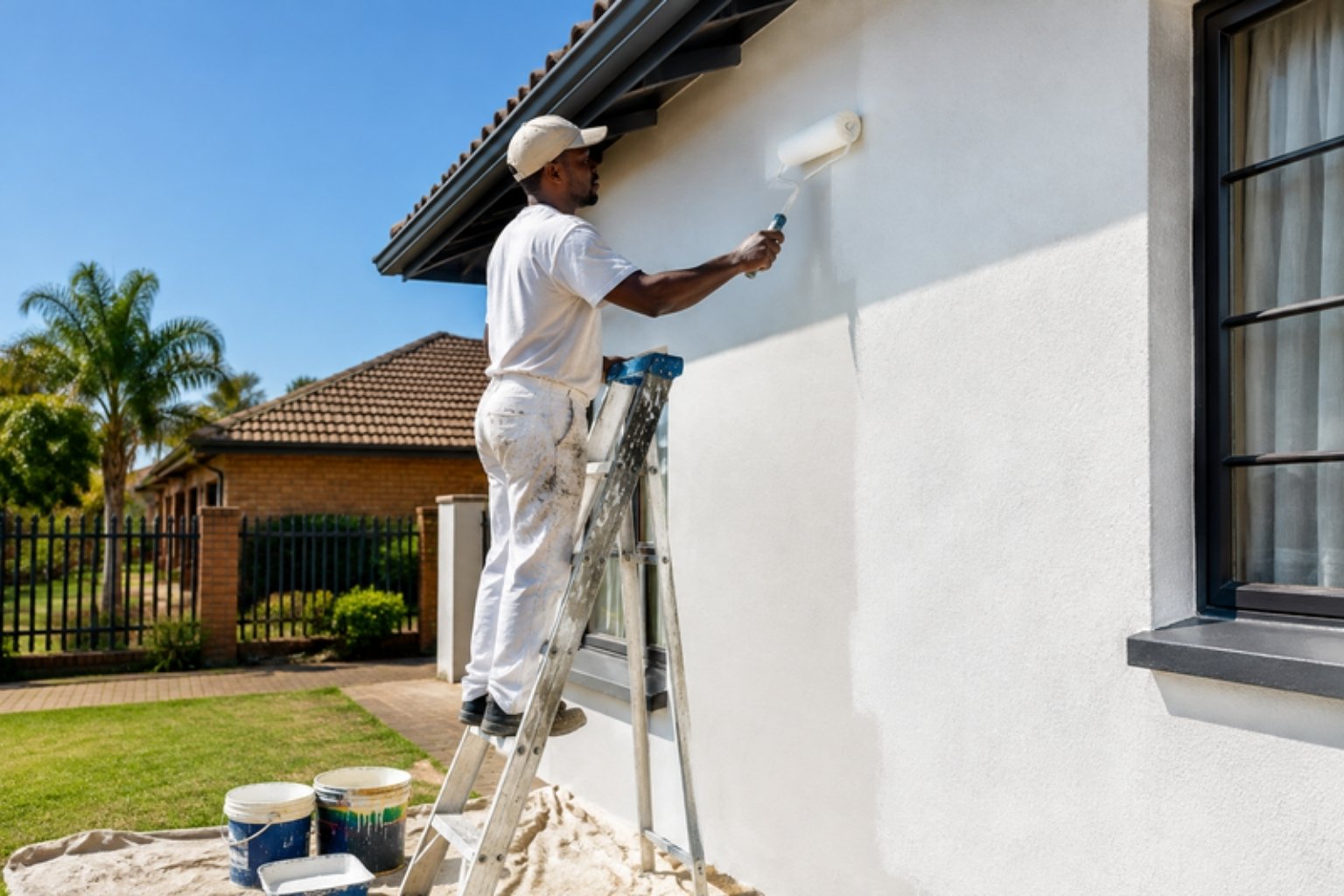
How to Start a Painting Business in South Africa (2026 Guide)
Painting is one of the easiest trades to start a business in South Africa. You do not need a licence, the startup costs are low, and every home, office block and complex needs repainting every few years, plus touch-ups whenever a tenant moves out or a house is sold. The painters who do well, though, are the ones who run it like a business, not just a skill.
This guide explains how to start a painting business in South Africa in 2026: what you need legally, what it costs to get going, the equipment to buy, how to quote so you actually make money, and how to find your first customers.
The short answer: what do you need?
- Painting skills and experience, ideally with proof of past work in photos.
- A registered business with CIPC and SARS, plus UIF and COIDA once you employ anyone.
- Ladders, brushes, rollers, drop sheets and a vehicle, with access to scaffolding when jobs need it.
- Public liability insurance.
- A way for customers to find you: a Google Business Profile, reviews and a simple website.
| Starting as | Typical startup cost | What it covers |
|---|---|---|
| Solo painter with own bakkie | R15,000 – R45,000 | Registration, ladders, brushes and rollers, drop sheets, prep tools, insurance, basic marketing |
| Painter plus small team | R50,000 – R120,000 | More ladders and equipment, airless sprayer, wages buffer, branded vehicle |
| Small painting contractor | R150,000+ | Own scaffolding, second vehicle, larger team, compliance for complexes and commercial sites |
The biggest variables are whether you already own a vehicle and whether you buy scaffolding or hire it per job. Most new painters hire scaffolding until they have steady work for it.
Step 1: Know your trade and what you will offer
Do you need a qualification?
There is no licence or compulsory registration for painters in South Africa. Customers judge you on your work, your reviews and how professional you are. A trade qualification or years working for an established painting contractor still helps, because it teaches you preparation, which is where most painting jobs succeed or fail.
Choose your services
Decide what you will offer and what you will refer elsewhere:
- Interior painting for homes and rentals, often the easiest place to start
- Exterior painting, including crack repairs and damp treatment
- Roof painting and waterproofing, which pays well but needs proper height safety
- Commercial and complex work for offices, schools and body corporates
- Specialist finishes such as feature walls, epoxy floors or spray finishes
Some roof coating and waterproofing brands train and approve applicators, which lets you offer their product guarantee. That is worth pursuing once you do regular roof work.
Step 2: Register the business
Sole proprietor or company?
You can start as a sole proprietor under your own name. Body corporates, property managers and commercial clients often prefer a registered company, so many painters register a (Pty) Ltd once larger jobs start coming in.
CIPC and SARS
Registering a private company through the CIPC’s online BizPortal costs around R175 including name reservation, and the company is registered for income tax with SARS automatically. VAT registration is compulsory once turnover passes R1 million in a 12-month period (check SARS for the current threshold), and you can register voluntarily from R50,000.
If you employ staff
- Register for UIF and PAYE with SARS.
- Register with the Compensation Fund (COIDA). Falls from ladders and scaffolding are the main risk in painting, and commercial clients will ask for your letter of good standing.
- Pay at least the national minimum wage, and put agreements in writing, even for casual helpers.
Step 3: Buy the right equipment
Buy quality tools for the things you use every day, and hire the rest:
- Ladders: a good step ladder and an extension ladder rated for trade use
- Brushes and rollers in the sizes you use most, plus extension poles
- Prep tools: scrapers, sanders, filler knives, masking tape and a wire brush
- Drop sheets and plastic to protect floors and furniture
- A pressure washer for exterior and roof preparation
- An airless sprayer once you take on large walls, roofs or new builds
Hire scaffolding per job until you have enough multi-storey work to justify buying it.
Step 4: Work safely at height
Exterior walls and roofs mean working at height, and the Occupational Health and Safety Act holds you responsible for the safety of your team. Use scaffolding or properly secured ladders, give staff harnesses for roof work, and never let anyone work on a roof in wet or windy weather. Commercial clients and body corporates will often ask for a safety file before you start, so keep one ready.
Step 5: Get insurance
Public liability insurance covers you if paint ends up on a neighbour’s car, a ladder damages a roof or someone is injured on site. Most complexes and commercial clients will not let you start without proof of cover, so arrange it before you quote for that kind of work.
Step 6: Quote and price your work properly
Underquoting is the most common reason painting businesses fail. A good quote is built from the job itself, not from what the last painter charged:
- Measure the area in square metres for walls, ceilings and roofs
- Work out paint quantities from the coverage on the tin and the number of coats
- Estimate labour time, including preparation, which often takes longer than painting
- Add equipment costs such as scaffolding hire and travel
- Add your margin for overheads, quiet periods and profit
Put every quote in writing, say exactly what preparation is included, which paint brand and how many coats, and take a deposit before you buy materials. Offer a workmanship guarantee on finished jobs, because it sets you apart from painters who disappear after payment.
Paint supplier accounts
Open a trade account with your nearest paint supplier as soon as you can. Trade pricing improves your margins, and many suppliers will recommend reliable painters to their retail customers.
Step 7: Get your first customers
Set up your Google Business Profile
Customers search “painters near me” when they are ready to book. A complete Google Business Profile with before-and-after photos, service areas and reviews puts you on the map for those searches. Our Google Business Profile setup guide walks you through it.
Take before-and-after photos of every job
Painting sells on visible results. Photograph every room and wall before you start and when you finish, from the same angle. Those photos are your portfolio on Google, WhatsApp and your website.
Approach estate agents, rental agents and body corporates
Houses are repainted before they are sold and rentals between tenants. Estate agents, rental agents and body corporates need a painter they can call quickly and trust with keys. Reliable work for one agent often leads to steady referrals.
Get a simple website
A website with a page for each service, your areas, a gallery of finished jobs and an easy way to request a quote gives Google something to show for every search. See how we build websites for painters, and our full guide on how to get more painting clients.
Common mistakes to avoid
- Quoting by guesswork. Measure every job and price the preparation properly.
- Skipping preparation. Paint over cracks, damp or dirt fails, and the customer remembers who painted it.
- Buying materials without a deposit. It ties up your cash and leaves you exposed if the customer cancels.
- No public liability insurance. One damaged roof or car can wipe out a month’s profit.
- Ignoring height safety. Falls are the biggest risk in the trade.
- Being hard to find online. If you are not on Google, the customer calls the painter who is.
Frequently asked questions
How much does it cost to start a painting business in South Africa?
Roughly R15,000 to R45,000 for a solo painter who already owns a vehicle, covering registration, ladders, brushes and rollers, preparation tools, insurance and basic marketing. An airless sprayer, a team or your own scaffolding pushes it higher.
Do I need a licence to be a painter in South Africa?
No. There is no compulsory licence or registration for painters. You do need to register your business with CIPC and SARS if you trade as a company, and register for UIF and COIDA once you employ staff.
How do painters price their work in South Africa?
Most painters quote per job, based on the area in square metres, the paint and number of coats, the time needed for preparation and painting, equipment such as scaffolding, travel and a margin for overheads and profit.
Is a painting business profitable in South Africa?
It can be, because startup costs are low and demand is steady from homeowners, landlords, estate agents and body corporates. Profit depends on accurate quotes, good preparation that avoids call-backs, and a steady flow of new jobs.
How do I get my first painting customers?
Set up a Google Business Profile with before-and-after photos, ask every customer for a review, approach estate agents, rental agents and body corporates, and get a simple website that shows your work and makes it easy to request a quote.
Final thoughts
Starting a painting business in South Africa is mostly about three things: quotes that cover the real cost of the job, preparation that makes your work last, and being easy to find when someone is ready to repaint. Get those right and the work keeps coming, because every building needs painting again eventually.
When you are ready to be found online, The Webster builds websites for painters from R250 a month with no setup fee, and our Growth Pack gets your business into Google’s Top 3 on Maps in 90 days, or your next month is free. Get in touch to talk it through.